
Water is a precious resource that sustains life on Earth, yet many still take it for granted. Adopting a few simple conservation strategies can save water while maintaining a beautiful and sustainable landscape.
-
-
Lake Owego Sustainability Fair
Visit the third annual Lake Oswego Sustainability Resource Fair! Celebrate Earth Day and connect with diverse organizations across our community that are advancing sustainability.
-
The Role of Microgreens in Urban Sustainability
Microgreens are great for keeping up with the demands of a growing population while limiting adverse impacts on the planet.
-
Closing the Loop
Finding products made with a high percentage of PCR content can be challenging.
-
Decarbonize Your Life (Part 3)
Heat pump water heaters are one example of low-hanging efficiency fruit as they are 2-4x more efficient than other water heaters. This is the third article in a four-part series showing how, with modest steps and a middle-class income, a family has dramatically reduced emissions and is sequestering what remains through a small reforestation project. Their life is better for it. Decarbonize Your Life (part 1) Decarbonize Your Life (part 2) Many organizations have charted a path to a decarbonized world by 2050 and broken down required action into four areas or “pathways.” In past issues, we discussed the first two pathways–Decarbonizing Electricity and Electrifying Everything–and how individuals can take…
-
And More Electrifying Stories
“Though the problems of the world are increasingly complex, the solutions remain embarrassingly simple.” Bill Mollison
-
Unwrapping the Global Plastics Problem
Notpla is a UK-based seaweed packaging company focused on making packaging disappear
-
100% Carbon Free, Climate Resilient Living
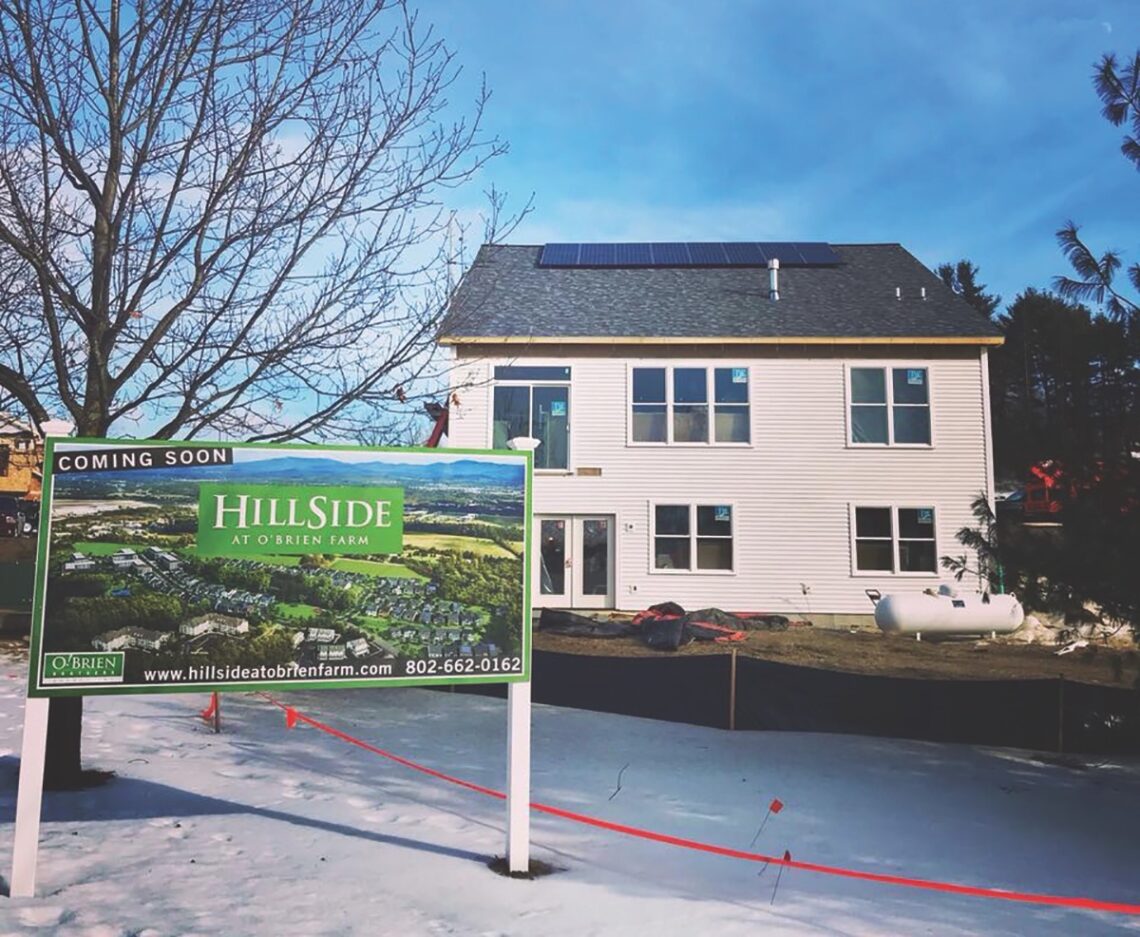
This is the future of the grid happening right here in Vermont Imagine living in a home that’s all-electric, fossil fuel-free, and is fully storm-resilient. That’s the reality for the 155 families who will move to Hillside East in South Burlington, Vermont. This is a first for that state– a whole neighborhood that is resistant to power outages thanks to a Resiliency Package of in-home Tesla Powerwall batteries for seamless backup power, rooftop solar panels to recharge, and extend the batteries’ backup capability, and a neighborhood microgrid for extra backup power as needed. O’Brien Brothers, a Vermont-grown property development company for over six decades, turned to Green Mountain Power when…
-
One Can
Less is More: Getting to One Can of Garbage a Year
-
Putting the Medicinal Garden to Use for Pets
Healing herbs are just as good for our pets and animals as they are for us